




Rare Earths

Rare Earth Elements (REEs)

Stepping into a Future-Ready Mineral Ecosystem

about-img

Rare earths are the cornerstone of technology. As the world advances to newer ways to make life easier and living more sustainable, their role is becoming even more pronounced. As global demand accelerates, rare earths are no longer just industrial minerals—they are strategic assets. Nations across the world are investing heavily in domestic REE supply chains to reduce import dependence and secure their technological futures. GMDC’s initiative directly aligns with India’s national goals of self-reliance, energy transition and clean-tech manufacturing.

What are Rare Earths?

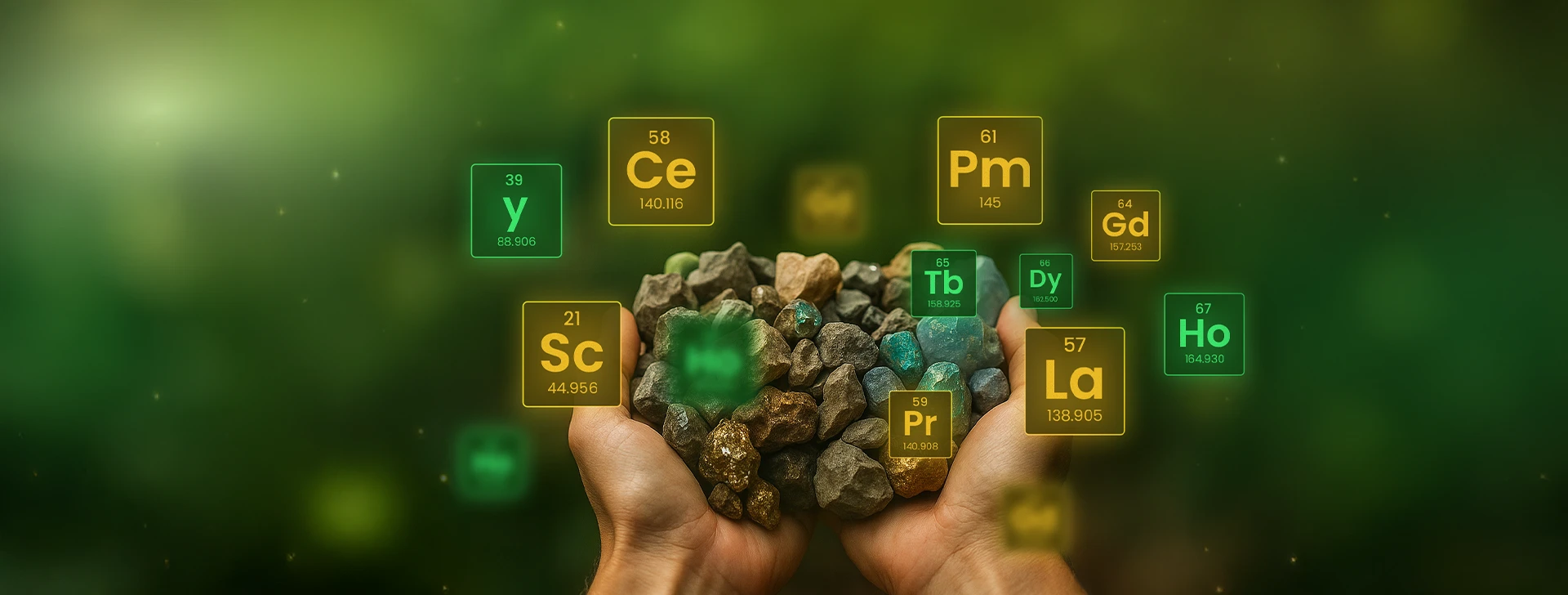
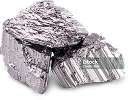
Rare earths refer to a group of 17 naturally occurring metallic elements with unique properties and a wide range of industrial applications. These are critical inputs for the global transition to a low-carbon economy, particularly in the production of clean energy technologies. Their critical role in the advancement of technology and sustainable development underscores the importance of securing a stable supply of these elements. REEs are divided into two categories:

01
Light Rare Earth Elements (LREEs)
These include elements like lanthanum (La), cerium (Ce), praseodymium (Pr), neodymium (Nd), and samarium (Sm), which are more abundant and generally have a lower atomic weight.
02
Heavy Rare Earth Elements (HREEs)
These consist of elements such as terbium (Tb), dysprosium (Dy), and yttrium (Y). They are less abundant and have a higher atomic weight.
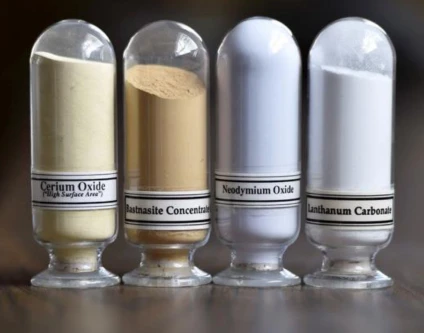
GMDC’s Portfolio Includes High Purity Light Rare Earth Oxides
NdNeodymium
PrPraseodymium
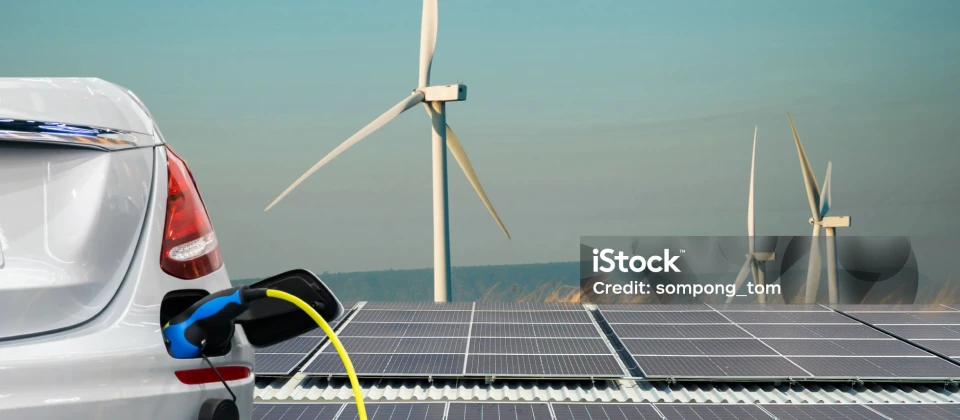
Neodymium and praseodymium are integral to making the strongest magnets—permanent magnets; critical for motors in EVs and wind turbines.
CeCerium
Neodymium and praseodymium are integral to making the strongest magnets—permanent magnets; critical for motors in EVs and wind turbines.
LaLanthanum
Lanthanum is primarily used in the catalytic cracking process in the petroleum industry, electronics and optics industries, and batteries for hybrid cars.
GMDC’s Rare Earth Vision
Mining and Beneficiation at Ambadungar

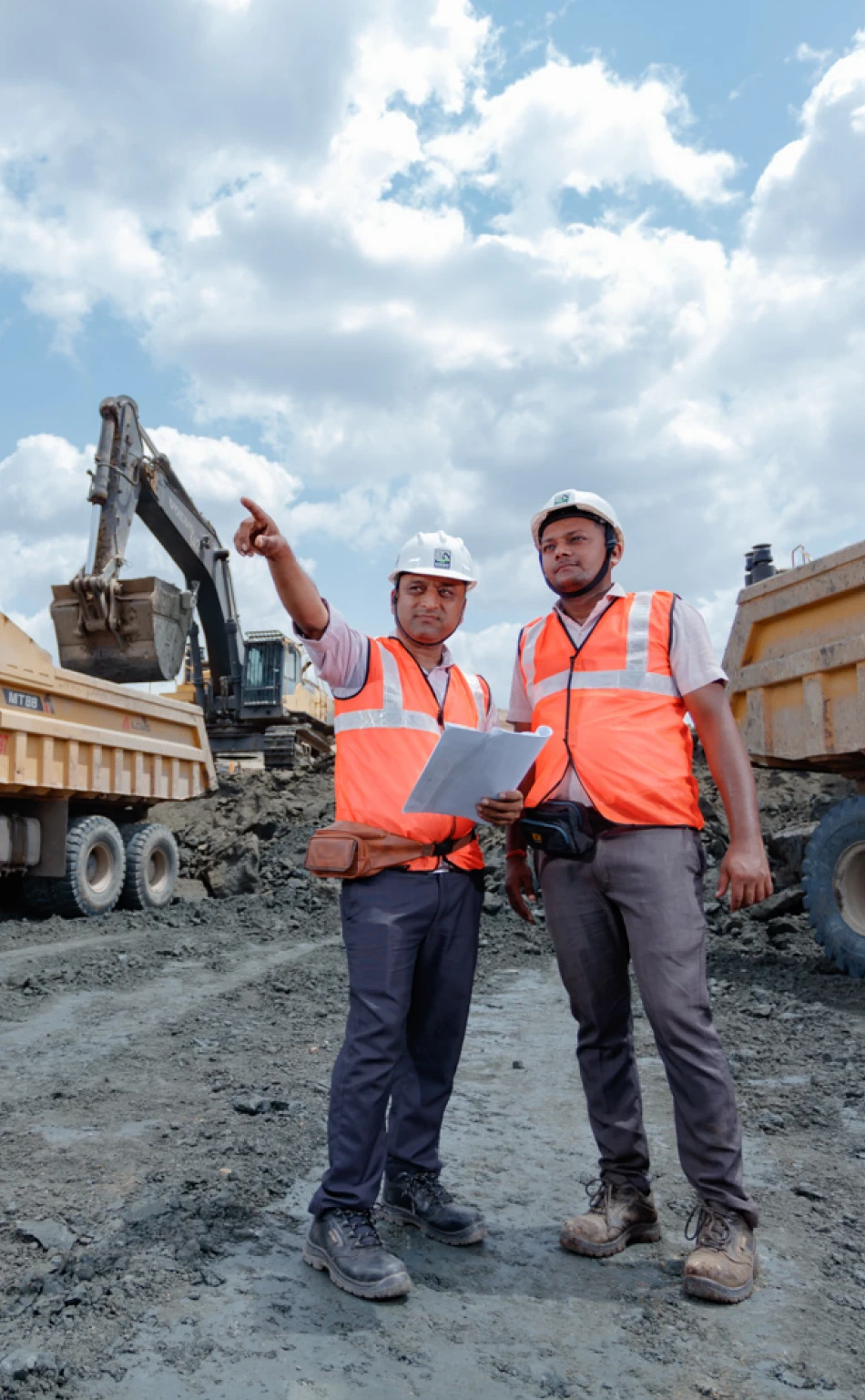
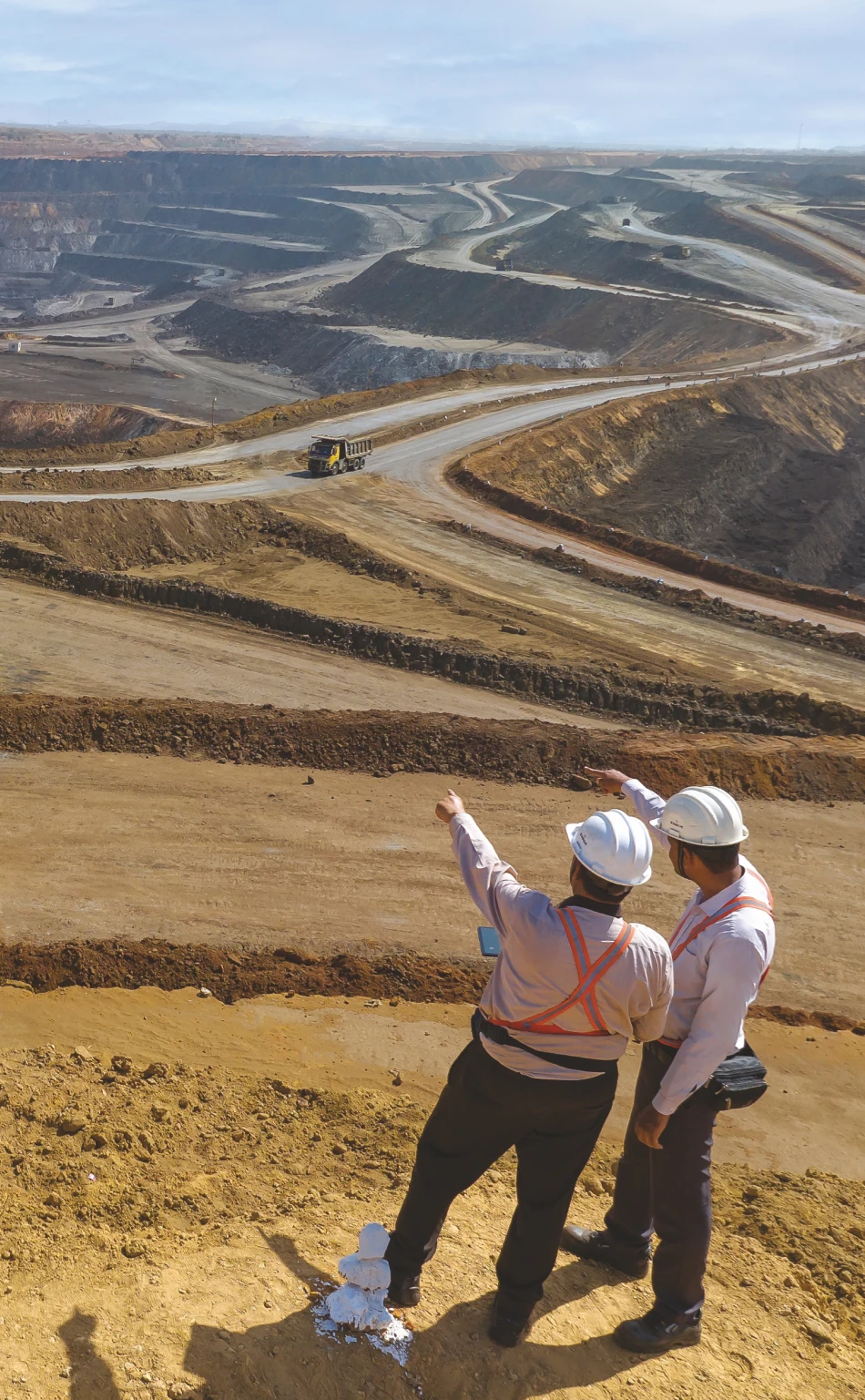
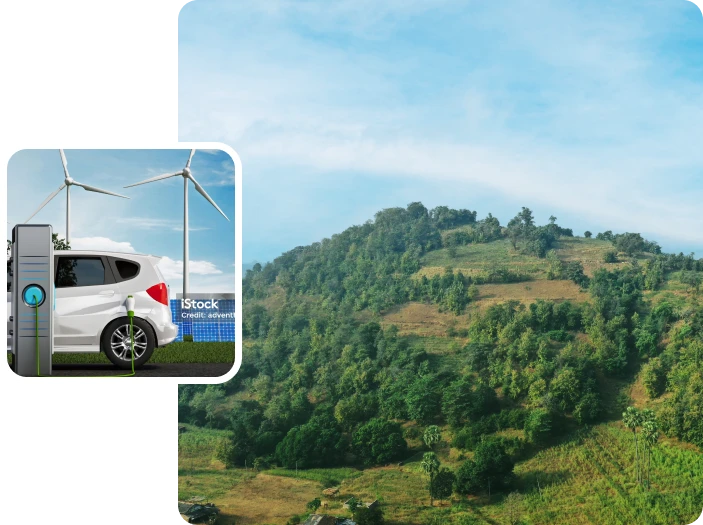
GMDC is developing one of the world’s largest rare earth deposits at Ambadungar, a village in Chota Udepur district of Gujarat. The development consists of an open pit mine, processing plants, tailings storage facility, water supply, bulk power supply, mine infrastructure, workshops, offices, modern residential facilities with a best-in-class living ecosystem.

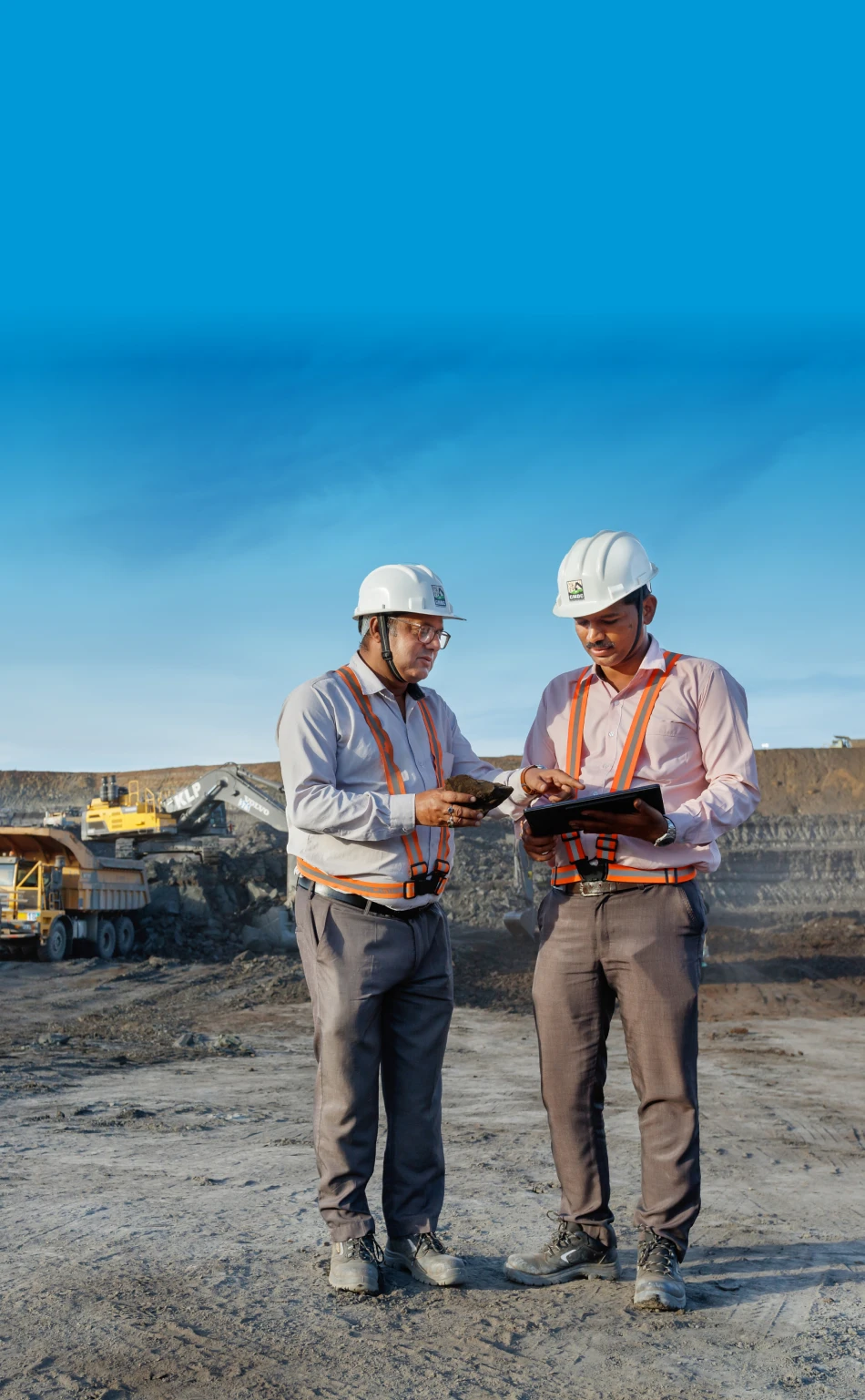
Our Ambadungar deposits contain light rare earth elements or LREE’s which are critical minerals for most economies globally. The ore will be mined from an open-pit mine and transferred for processing through crushing, milling, conditioning and floatation to form a mixed rare earth concentrate.

about-img

Separation and Integrated Downstream Manufacturing at Bharuch

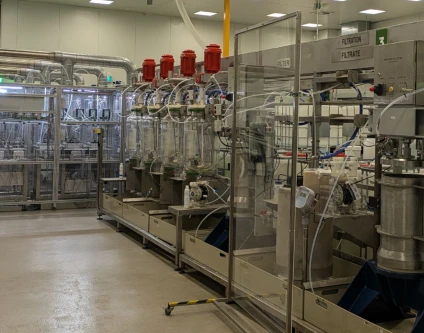
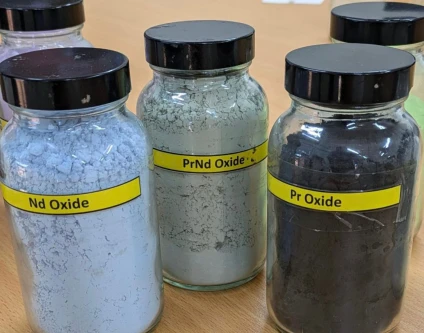
The mixed rare earth carbonate produced at Ambadungar will be transferred to our separation plant in our REE hub at Bharuch. The end-result from this separation process will be the valuable rare earth oxides – Nd, Pr, La, Ce.

These separated oxides will be converted into metals and further used in manufacturing products such as catalysts for catalytic cracking as well as rare earth magnets –which serve as the cornerstone for global transition to clean energy and mobility.

Project Highlights

1 million+
tonnes of Total Rare Earth Oxides (TREO) identified
~18,000
TPA of Mixed Rare Earth arbonate (MREC) at Ambadungar
~12,000
TPA TREO separation capacity at Bharuch
~1800
TPA of Neodymium-Praseodymium (Nd-Pr) oxide
about-img
about-img
about-img